


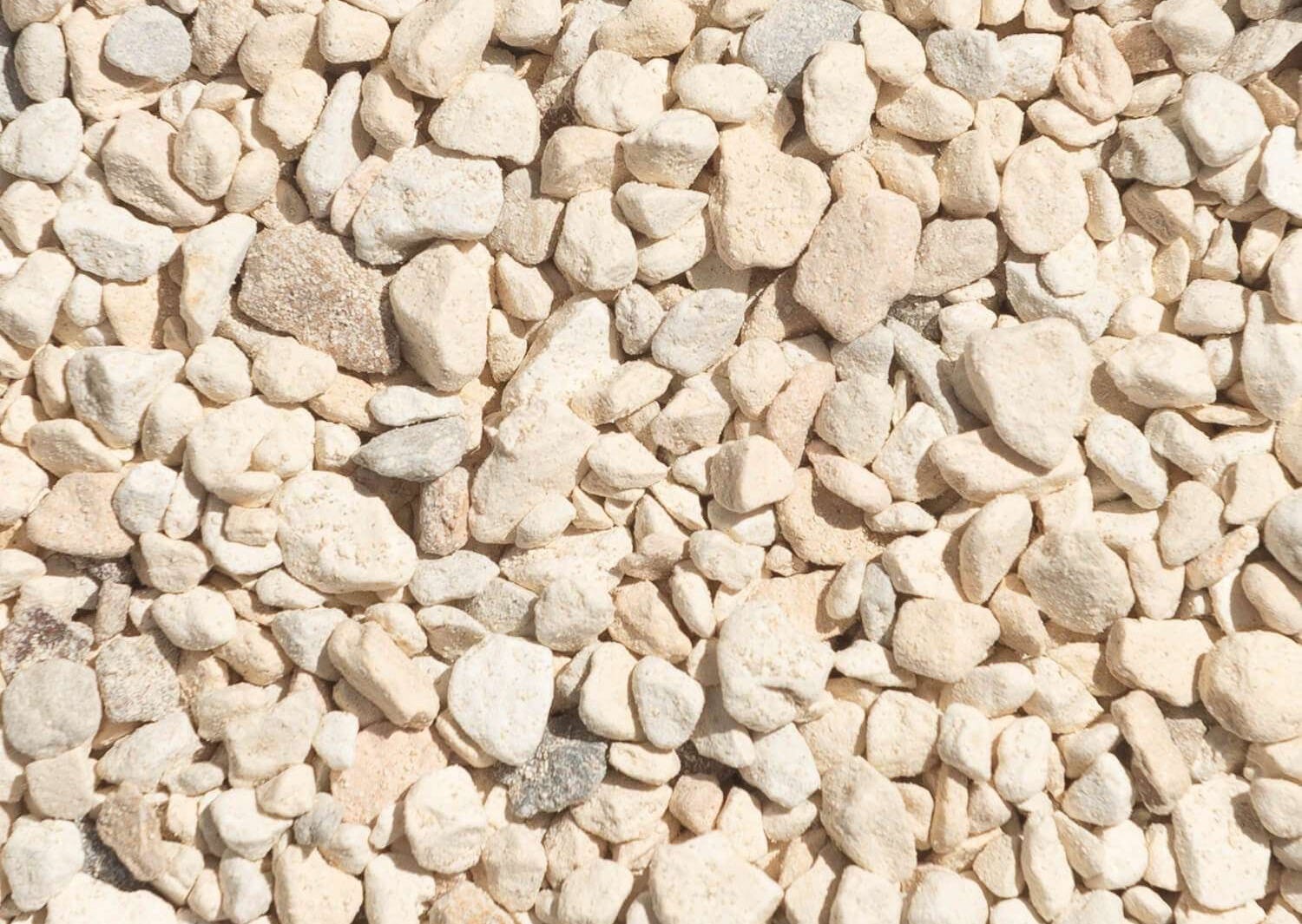
If you’ve been on any fig forum you know that one of the top discussions involves the best methods for rooting cuttings. Everyone has an opinion on this — literally everyone. One of the more popular rooting methods involves using diatomaceous earth pellets, specifically OptiSorb. (Shout out to Gina!) This is a method that has worked well for many people, especially those who struggle with over-watering their new cuttings. It also helps as a natural pest barrier and limits issues with fungus gnats, which is a common problems for indoor rooting or in greenhouses.
But… there are a ton of other pelletized or granular products that are plant-friendly as well. One of these is zeolite, yes, the same as used for an odor absorber in cat litter and chicken coops. Zeolite is a natural volcanic mineral and is known for having high CEC, (cation exchange capacity). CEC refers to the ability of soil to store and exchange cations, such as calcium, magnesium, and potassium which is important for nutrient transfer to plants. Zeolite is unique in that it is negatively charged and has a honeycomb structure. These properties mean that it attracts and holds on to positively charged ions, preventing them from being washed out of the soil. It has a big bearing on nutrient storage and availability for plants. It buffers soil acidification as well, affecting pH. Zeolite pellets also help to improve water retention and aeration. All of this helps with stronger root development and healthier plants.
Another popular pelleted product is calcined clay. Calcined clay is commonly sold as Turface or Safe T Sorb. It is made by heating clay to high temperatures changing it from being soft and pliable to hard and porous. It helps with water drainage and aeration. Due to its nature, it is also able to retain moisture and nutrients. This one will also help with root and plant health.
Akadama soil is very popular in the bonsai world. It is a naturally occurring volcanic clay originating from Japan. It has a unique structure that allows it to absorb and retain water while also providing drainage. Akadama soil is very rich in minerals and has potassium, calcium, iron, magnesium as well as trace minerals. It is called “the king of potting soils”.
Disclaimer: This is a personal experiment and not a recommendation. Feel free to join in for your own fun, but please do not be disappointed if it does not work out as expected. This is not a tried and true method as of yet. Read and follow at your own risk!
The third experiment…
Battle of The Granulars
I have four cuttings from the same source. All are different varieties. All have three nodes with large spacing and look like they were taken from similar parts of a branch. They were soaked for 72 hours in dilute seaweed water before potting.
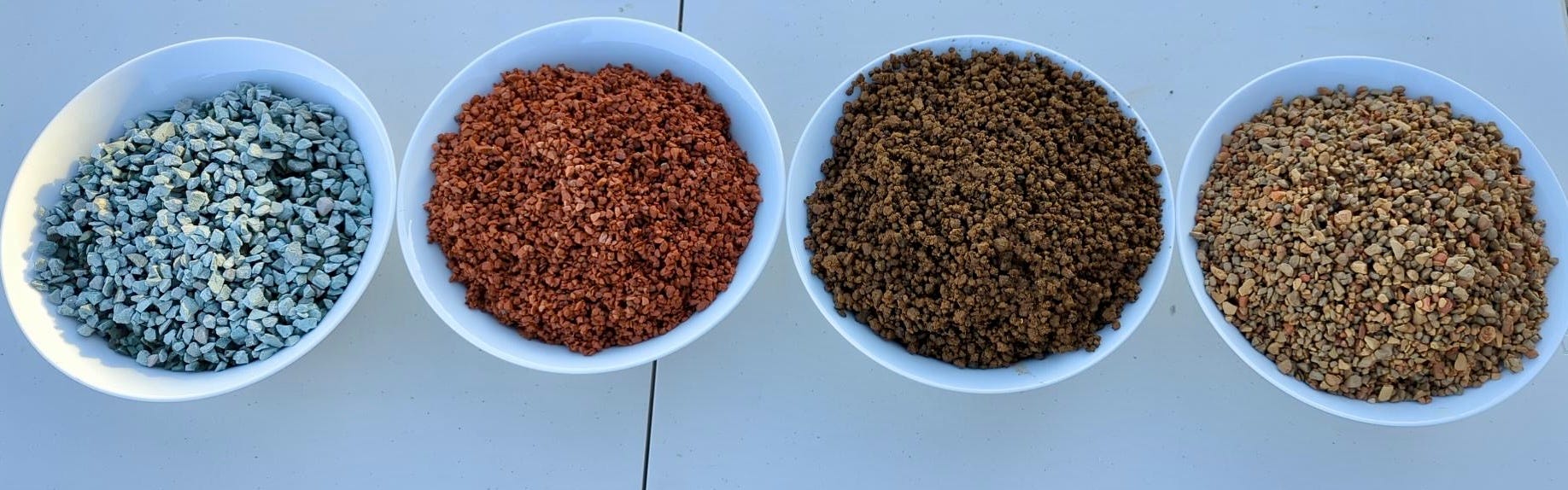
I am using pelleted or rock forms of the above-mentioned granular products obtained from a quick Amazon order and mixing them with a certain amount of peat due to my drier climate. The amount of peat added was based on the particle size used and all were under 40%, with the Akadama clay getting the least at no more than 5%. All were rinsed to remove fine particulate and then I soaked the pellets for about an hour in diluted seaweed water and fig FPJ before mixing with the peat to make sure they were as hydrated as possible. Only the Akadama was not soaked since it became quite crumbly when wet and seemed more inclined to break down.
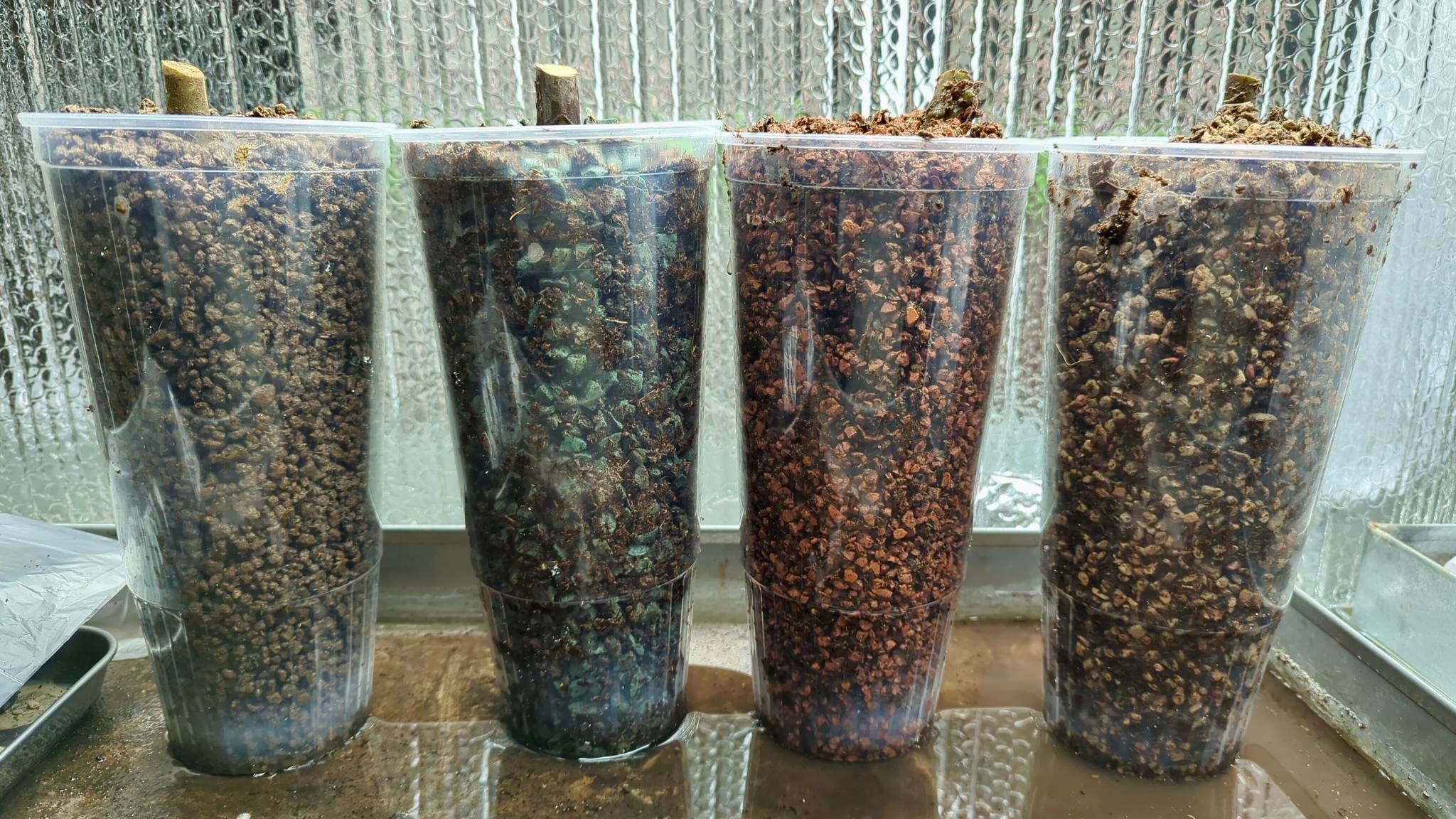
The 1st cup is Akadama soil and peat, the 2nd cup is green zeolite and peat, the 3rd cup is calcined clay and peat, and the 4th is diatomite rock and peat. (Left to right below.)
Thoughts so far…
I am worried if my products were contaminated. Everything I received from Amazon smells strongly like scented disinfectant spray. With the nature of these products, they really absorbed that scent. Hopefully, this does not prevent proper growth. While Amazon comes through in a pinch, I do prefer my usual sources for these products.
The Akadama I received is quite crumbly. I think it may not be the best on its own without other things to provide consistent aeration. It’s an interesting product, but I don’t think it will be long-lasting. It is more costly, and so I would only use it for small-scale rooting.
I am looking forward to seeing what the roots are like should they take and grow. It will be an interesting comparison to mixes that are more fine and dense.
I am undecided on this one for if it will be successful. I think the chances are hanging around 50/50. Let’s see what happens!
TO BE CONTINUED…
A classic for this winter playlist with all of these little particles hanging around …
A pellet a day keeps the fungus gnats away… that’s how it goes, right??
Well, what do you think? Will they root? Will they thrive or will they die? Will it be a struggle keeping it wet enough? What about up-potting??? Only one way to find out, friends…

Looking forward to part 4 of this experiment. Can I also suggest you continue the experiment by tracking how well the plants transition to potting soil once you are ready to up pot the plants.... My prediction is going to be Akadama soil will have the most root development in this stage, but I am not sure how well the roots to adapt to potting soil.
I rooted some cuttings in 100% granular diatomaceous earth, FloorDry brand. I had really good results. Also, I've had good results using 100% pumice as well.