


I don’t know about you, but my Instagram feed is getting hit with videos of people making Egg Amino Acids (EAA) for their plants. It seems to be the latest trend sweeping the natural growing world, is it worth it?? Let’s find out!

So, why amino acids? I mean, anyone can just run down to their local growing supply store, grab a bottle of NPK something or other, apply it like it says to and they’re fine, right? Why bother with this? Those are excellent questions my dear reader and I’m glad you asked!
Amino acids have a plethora of benefits to knock your NPK socks off! Did you know amino acids quicken protein synthesis and enzyme formation, supporting root and flower production and overall biomass growth? What many may not know is that plants immediately absorb amino acids as a nitrogen source that has already been broken down for use. Amino acids have relationships with several pathways in plants which have effects on plant physiology and growth, including hormones, enzymes, nutrient storage & transport, and giving structure to cells. Some of these have been well documented and if you do a search on Google Scholar, it will generate pages and pages of internet links to papers on the topic. (So many, in fact, that I chose not to follow my original plan to cite them here. So please feel free to click the link above to check them out if you like.)
One paper stated: “Compared to routine fertilizers or other commercially synthetic chelators such as EDTA; however, aminochelates represent a safer and more efficient form of fertilizer, resulting in better plant performance and less environmental risks…they have a superior effect on plant growth and productivity compared to simple chemical salt fertilizers.”
Superior effects compared to chemical salt fertilizers? Well, that’s a good start, right? That article was written a decade ago and there have since been many more papers proving the benefits of using amino acids. What are some of these benefits?
The Power of Amino Acids for Plant Health
Incorporating amino acids into one’s plant care regimen acts as a powerful catalyst for growth and vitality. Unlike standard chemical fertilizers, which can sometimes hinder natural processes, amino acids work in harmony with plants’ biology to optimize performance.
Here is how amino acids transforms crops:
Superior Nutrient Absorption Acting as natural chelating agents, amino acids bind to essential nutrients—such as nitrogen, calcium, iron, zinc, and magnesium—making them significantly easier for roots to absorb and utilize compared to standard chemical additives.
Built-in Stress Shield They provide plants with the resilience to withstand environmental pressures. Whether it is drought, frost, extreme temperatures, or transplant shock, amino acids help plants recover quickly and maintain their health during adverse conditions.
Enhanced Plant Defenses Amino acids bolster plants’ natural security system. By promoting the synthesis of secondary metabolites (like alkaloids and esters) and strengthening cell walls with lignin and pectin, they help plants protect themselves against insect damage and disease.
Metabolic Efficiency By serving as the fundamental building blocks of proteins, amino acids reduce the energy burden on the plant. This allows the plant to conserve energy and redirect it toward faster growth, better hormone activation, and improved enzymatic reactions.
Boosted Yields and Quality Regular use is linked to higher yields. They actively stimulate flowering and fruit set, helping to get more produce. Furthermore, by increasing terpene production, they enhance the flavor and aroma of fruits and flowers.
Thriving Soil Ecosystem Amino acids act as a high-quality food source for beneficial soil microbes. This stimulation improves overall soil health, which in turn creates a more robust foundation for long-term plant vigor.
Why Choose Amino Acids Over Chemical Fertilizers?
While chemical fertilizers are often used to force growth, they can inadvertently create issues such as nutrient blocking, increased insect pressure, and environmental stress.
In contrast, amino acids offer a holistic approach:
They don’t block nutrients: Instead of creating chemical imbalances, they facilitate the bioavailability of minerals.
They provide sustainable support: By strengthening the plant’s internal structure and signaling systems, they encourage healthy development rather than just temporary stimulation.
They optimize the whole plant: From root growth to fruit quality, amino acids support the entire lifecycle, ensuring plants are not just growing, but thriving.
Suffice it to say, that bottle of NPK isn’t doing what amino acids can do for your plants or soil health. Even if you have a great feeding program, nutrients can be "wasted" if the plant's metabolism is too slow to process them. Amino acids support the enzyme systems responsible for nutrient transport and assimilation, ensuring plants turn those inputs into actual growth.
Amino Acids: Your Plants’ Metabolic Advantage
Think of amino acids, not as a direct replacement for your standard fertilizer, but as a high-efficiency toolkit. While sugars provide energy and nitrogen provides fuel, amino acids serve as the pre-built components that help your plant function at its peak, especially when conditions aren’t perfect.
Standard fertilizers (nitrates, ammonium) are like “raw fuel.” They are essential, but the plant must spend energy to convert them into usable forms. Amino acids are the “usable forms” plants need to function, rather than the raw materials they need to transform. Plants are capable of synthesizing their own amino acids, but the process is energy-intensive. It requires certain amounts of light, nitrogen, and metabolic power. When a plant is young or under environmental stress—such as from cold, heat, overwatering, or nutrient imbalance—it may struggle to produce these compounds quickly enough to keep up. Chemical nitrogen gives a quick fuel push but amino acids provide functional building blocks that can be used for diverse purposes beyond just nitrogen intake. Amino acids are generally more bioavailable and produce quicker results. They save the plant the energy cost of internal manufacturing. The plant can then redirect that saved energy into growth, recovery, and development. Since they increase the uptake of nutrients, they can help to reduce the amount of fertilizer needed, saving on costs as well.
Amino Acids: Specialized Support for Roots, Flowers, and Growth
While amino acids serve as broad metabolic support, they play particularly critical roles during the most energy-intensive stages of a plant’s life—specifically root development and the transition to flowering and fruiting.
Where They Excel: Targeted Growth
Amino acids are not “one size fits all”; they facilitate specific biological processes when a plant is under pressure:
Root Development: Roots are protein-rich, fast-growing tissues. By supplementing with amino acids, you help the plant sustain root tips even during stress. Look for: More white, active root growth and more consistent leaf posture (turgor) throughout the day.
Flowering and Fruiting: Shifting from leafy growth to reproductive growth is energy-demanding. Amino acids provide the internal support needed to move nutrients (like phosphorus and potassium) efficiently. Look for: Tighter flower sites, improved fruit fill, and fewer “stall” periods in the middle of your crop cycle.
Reality Check: What Amino Acids Are Not
It is important to understand that amino acids alone are a supplement, not a total solution. While amino acids are excellent for metabolic support, they are not a "cure-all." Using them in excess can lead to specific and misunderstood problems.
If you suspect you are overusing amino acids, look for these symptoms:
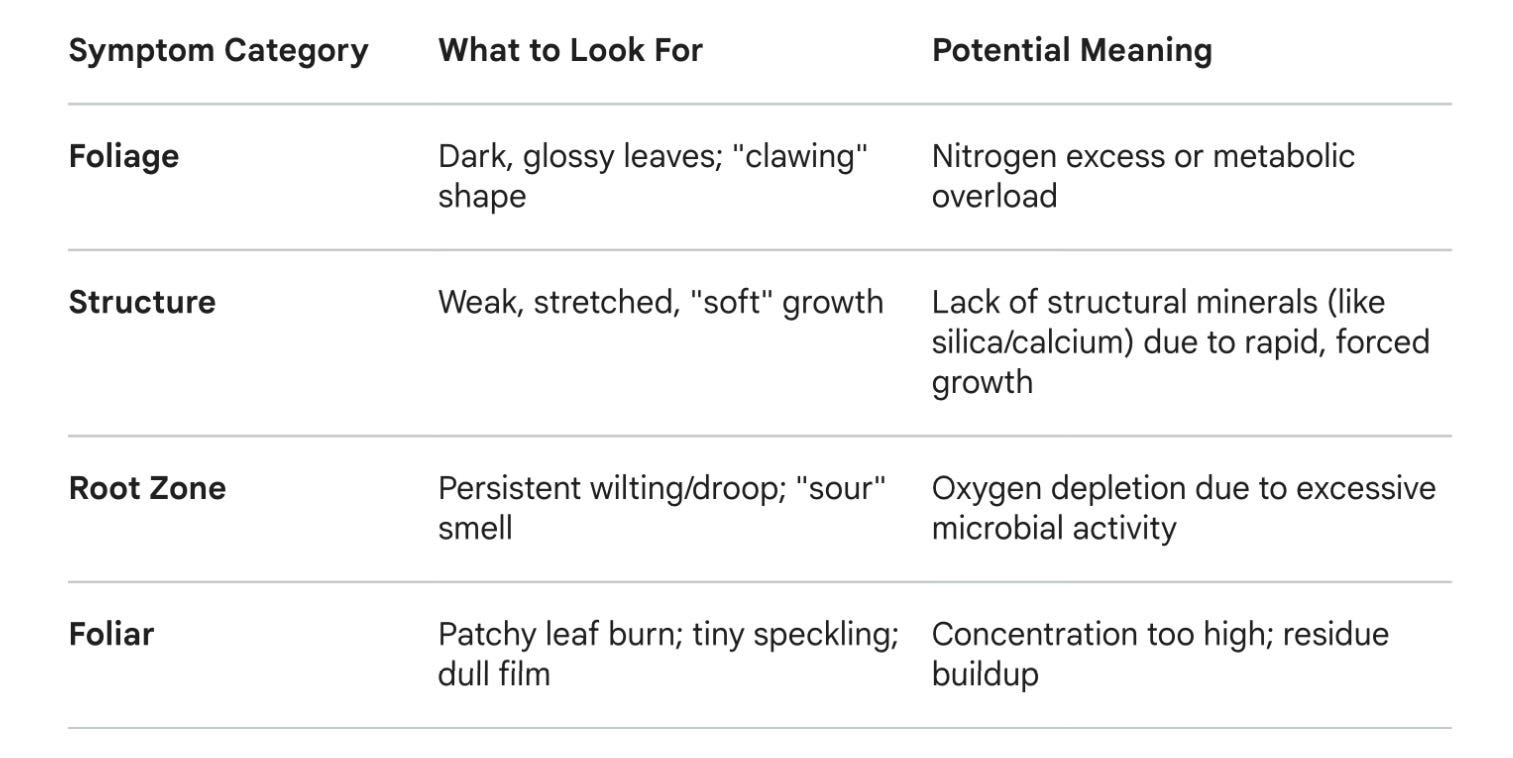
Context is everything, amino acids work best when the plant's foundation (roots, water, light, oxygen) is already solid. They are a tool to maximize efficiency, not a remedy for fundamental growing errors. Amino acids stimulate metabolism, so if there is too much of a nutrient or too little, that can show up when excessive amounts are applied.
Late-stage overuse during fruit growth is a common pitfall. If you push too many amino acids—especially those high in nitrogen—you risk keeping the plant stuck in vegetative growth mode, which disrupts the natural ripening process. Keep applications moderate to low during this stage. If your plants stay unnaturally dark green or fail to mature on schedule, you may be over-supplying nitrogen or amino acids. This can lead to delayed ripening and distorted nutrient ratios.
I had to list some of the warnings with them since over-application can be a thing. But really, it is hard to do that if you are applying in moderation. Balance is everything!
All of this said, the question now is are you using amino acids in your gardens and orchards?
Where do we get these amino acids?
Anyone who’s read something I’ve written probably knows I love fish amino acids (FAA). I have written about them here and they are my go-to. I cannot say enough good things about this product and it will always be in my arsenal. This is not a pure amino acid supplement, but contains other nutrients as well, making it more of a complete growing solution. Supposedly, this method can also be used with ruminant meat instead of fish as another type of amino acid input, though I have not tried it yet myself.
There are also amino acid products available at specialty growing stores, hydroponics shops, and online. Fish hydrolysate is a commercial product that can be found in many garden centers. Others use soy proteins or other vegetable-based proteins, both in dry and liquid formats. There are also amino acid complexed minerals, such as those with calcium or boron. So there are products to choose from if you prefer to purchase. Just note that there is a difference between a pure amino acid derivative product and something more comprehensive like a whole ingredient product, such as fish hydrolysate. These would be used in different ways and sometimes require other nutrients to be complete.
But wait! Now there are egg amino acids (EAA)! Did you know that you can easily break eggs down into free amino acids? This is becoming even more important with the rising costs of everything. So, how do we make this?
Basically, you take whole fresh eggs, put them in a jar, add lemon juice just to cover the eggs, close the lid, and let sit for 15 days. After this, crack the eggs in the jar open with a fork while still in the lemon juice, add in a certain amount of jaggery or brown sugar, mix it all together, cover it again with a lid, and let it sit for another 10 days. Then strain it, keep the liquid, and use it diluted in foliar sprays or soil drenches.
Reportedly, this product shines when approaching and during early flowering stages. It not only has the amino acids from the egg white and yolk, but it also has the minerals from the shell, which include calcium, phosphorus, sulfur, magnesium, and trace elements like copper, iron, and zinc. The citric acid from the lemon juice makes these minerals easy to absorb. Win-win!
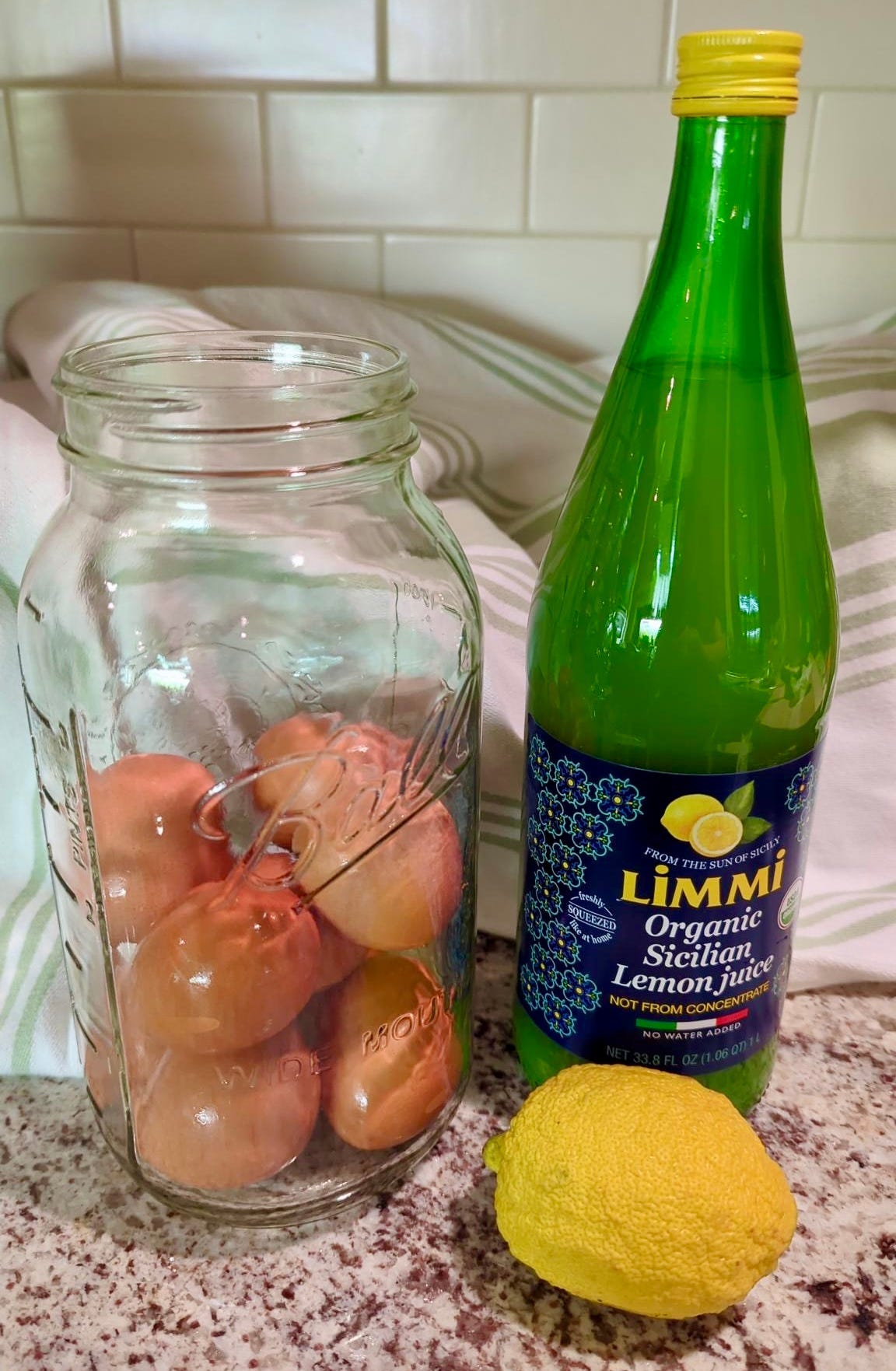
This is the basic recipe:
Egg Amino Acids
4 fresh whole eggs
8 lemons (approximate amount, you will need enough juice to cover the eggs.)
200 grams of jaggery or brown sugar
Add the whole eggs to a jar. Juice the lemons and add the juice to the jar to cover the eggs. Close the jar with a lid and let sit for 15 days. *This likely will produce bubbles as the lemon juice softens the eggshell. Be sure to burp your jar every day as needed so that the gases do not build pressure which may cause the jar to explode.
After the 15 days, crack the eggs open inside of the jar and mix them into the lemon juice. Add in the jaggery and mix well. Cover the jar with the lid and let sit for a minimum of 10 days.
After the 10-45 days, strain the mixture and save the liquid in a closed container. Dilute the EAA 2-3ml per liter of water or 1/2 teaspoon per 1 quart of water. Use as a foliar spray or soil drench.
Are you going to try it?? I am! I have some brewing right now as I type this up. Granted, I only had a few pathetic-looking lemons hanging around and so supplemented with some bottled lemon juice which I am not sure is allowed. We’ll see what happens!
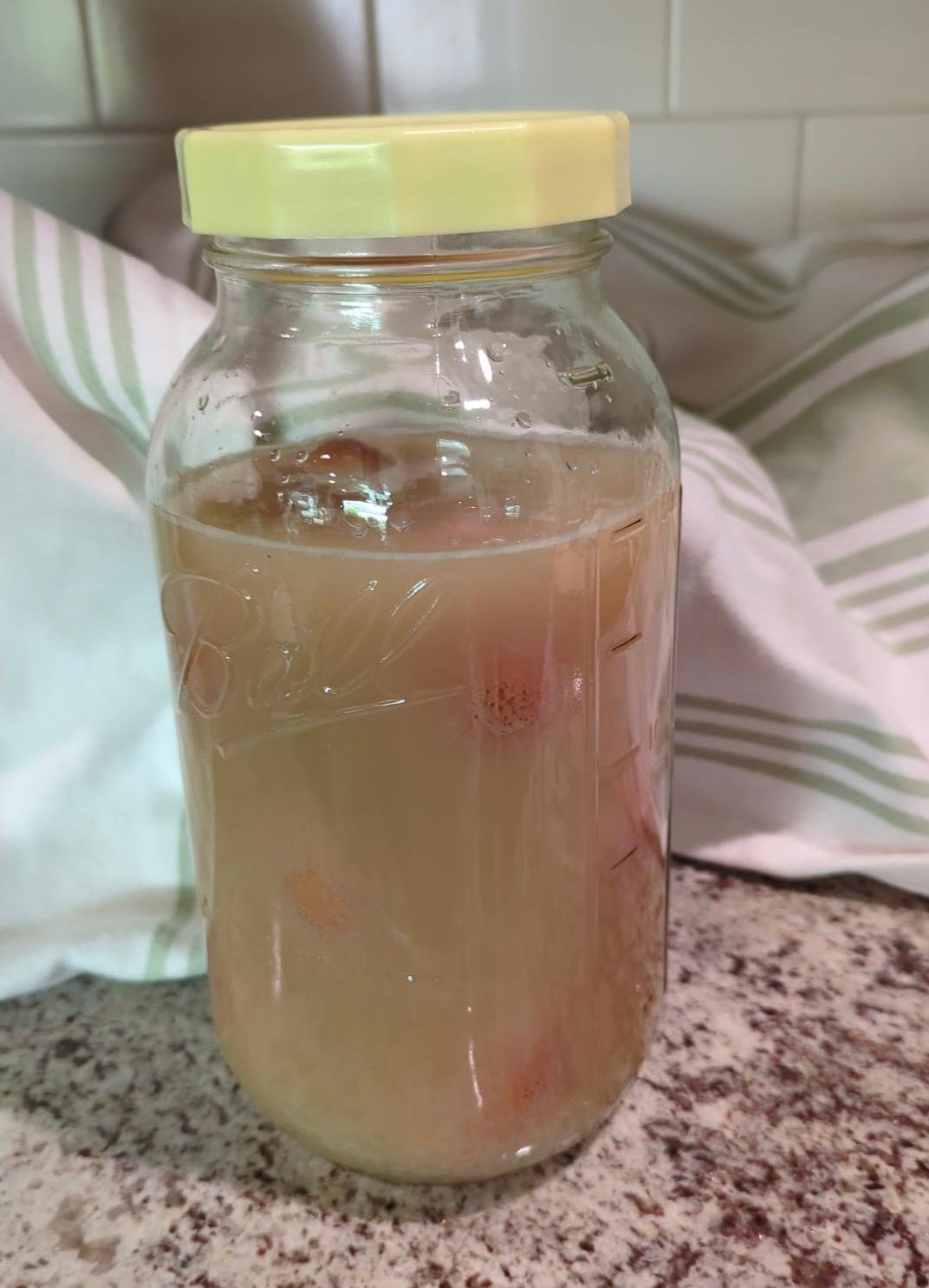
UPDATE 04/27/2026
DAY 3 EAA
You can see there is a lot of sediment at the bottom of the jar from the eggshells dissolving. The same with the brown stuff at the top which is from the brown eggshells. I give the jar a little swirl each day to keep things mobile and in contact with the liquid.
Mostly, this was an excuse and an inspiration to talk about amino acids with you though. Although, I have to admit, I got tired of saying “amino acids this” and “amino acids that”, too many amino acids! It felt like a school essay on the topic! Someone posted not too long ago on one of the fig forums asking why anyone would want to use fish fertilizer when you could just get a bottle of Miracle-Gro — well, now you know! So go “amino acid” their butts with all of this knowledge, after all sharing is caring! 😜
I have to give a shout out to igrosoil on Instagram, it was his post that sparked this article and I can’t wait to see his lab results for EAA!
UPDATE 06/17/2026
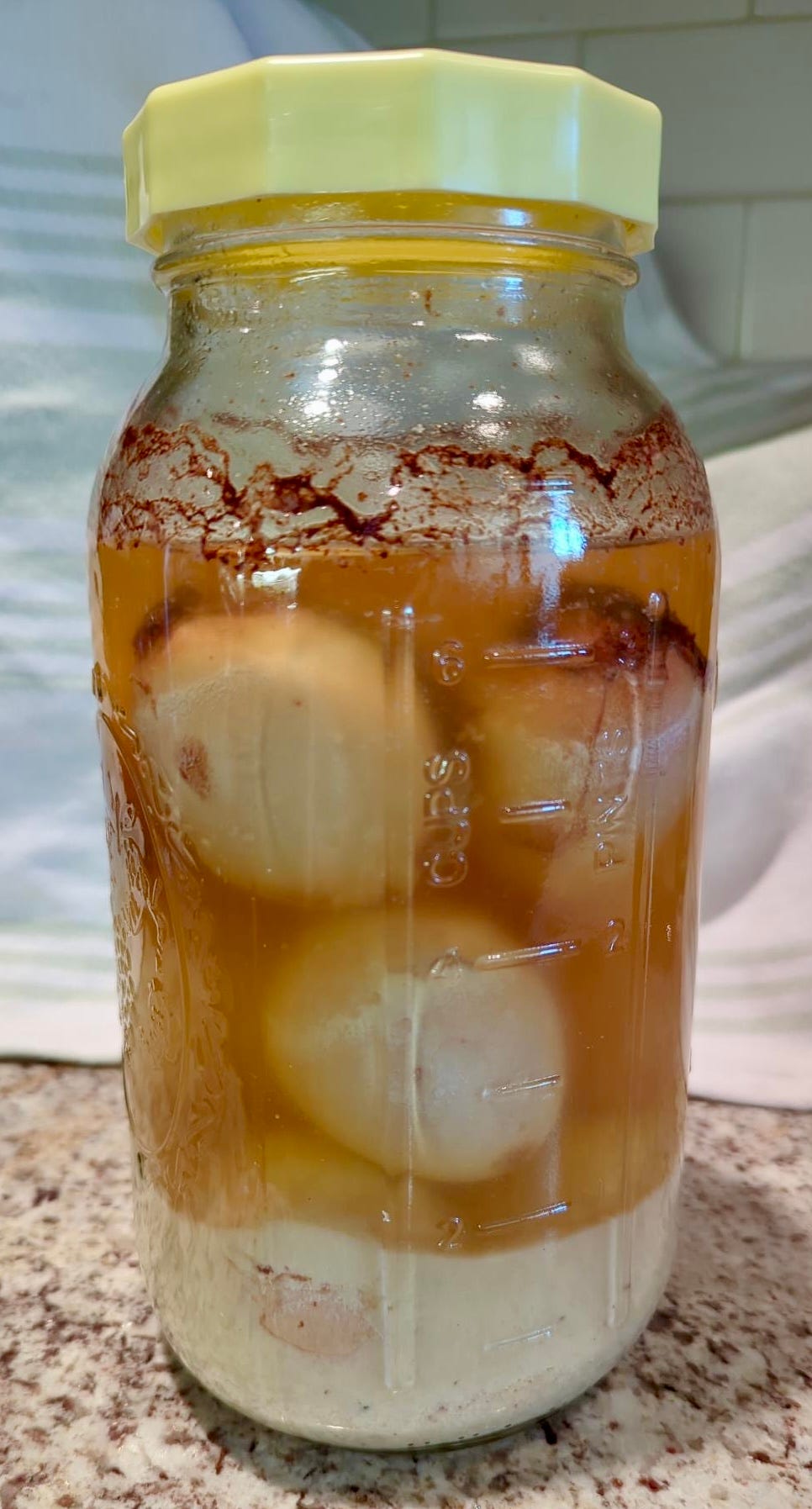
Check out this egg after 12 days:
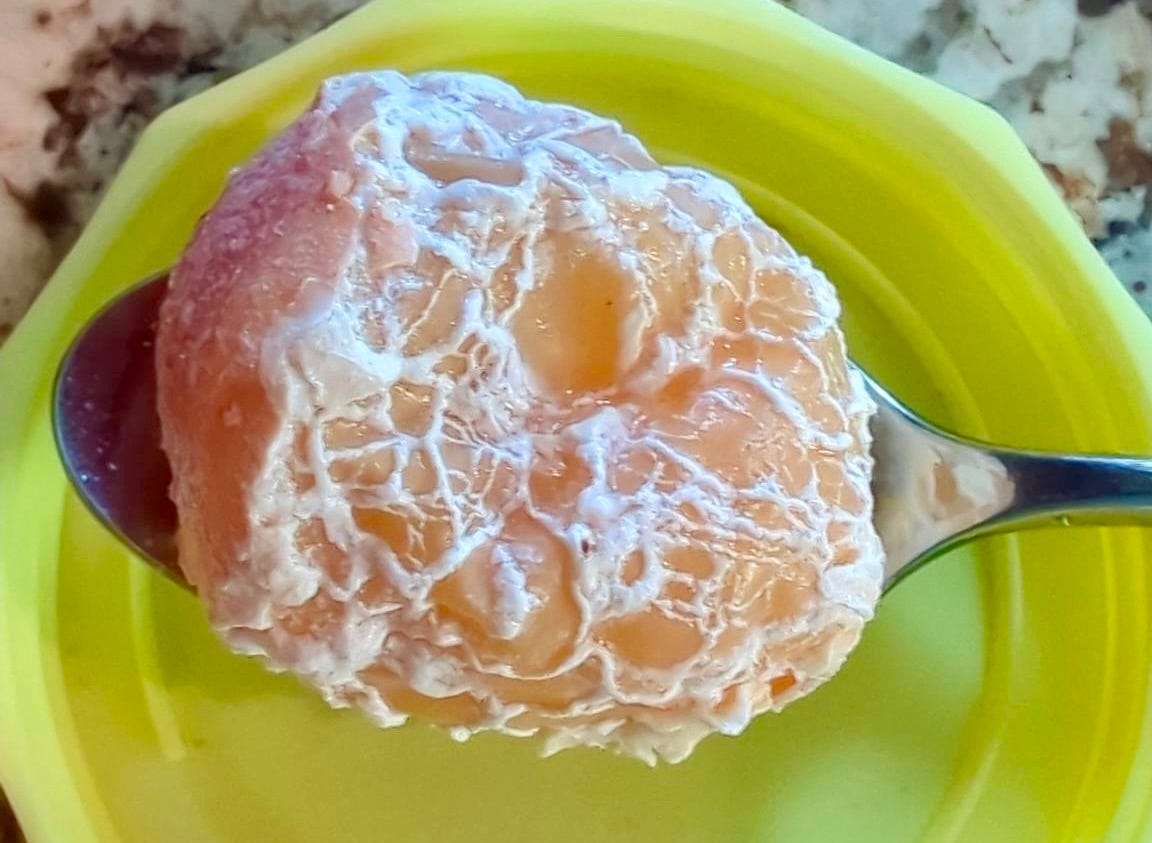
You can see most of the shell has dissolved into the mixture.
I did have a small problem with a bit of mold on top. I simply scooped it off and topped with some fresh lemon juice to bring the pH down.
After the 15 days, I broke open all of the eggs and stirred everything together with the sugar. My original jar was too full, so I divided it into two jars. I added in some EM-1 in one of the jars out of curiosity to see if it made any difference. (It did not make any obvious difference.)
I ended up letting one jar ferment a month longer than originally indicated and it came out beautifully. No bad odor, had a pleasant, fizzy-like fermented aspect going on. I did have to burp my jars with this 2nd stage of the process. igrosoil updated his reports on it and stated that he is going 45 days for the 2nd stage because he had heard that it was a better result for what he is trying to accomplish. Regardless, the point is that it seems to last well and had no issues with anything going off with the longer ferment.
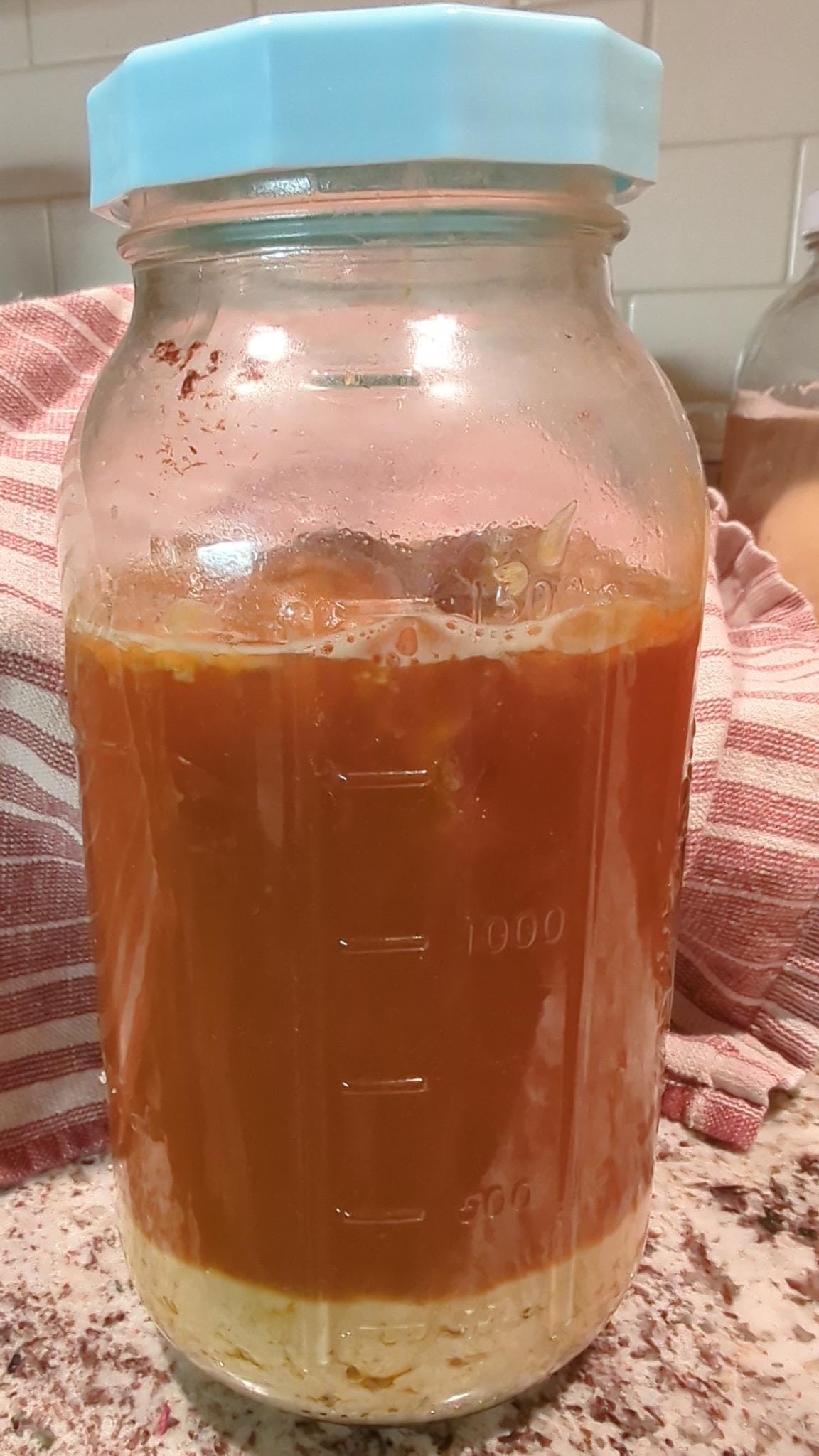
You can see that there is still quite a bit of eggshell sediment at the bottom. I gave the jar a swirl every so often during the 2nd stage to try help keep it incorporated into the ferment so that minerals can be extracted to the extent possible. All of that was filtered out before use.
There is a lot of talk currently about rising fertilizer costs, not to mention the environmental impacts of chemical fertilizers, so I hope this article comes in handy as a convenient, affordable, and self-sufficient solution to any potential supply issues! Thank goodness nature always has a way and is an excellent nutrient source for plants. As always, I appreciate you all for being here! Does anyone have figs forming yet? I have some breba growing at the moment…

I've mixed lemon juice with egg shells before and let it sit for a few days, and then added that mixture to water before watering my plants to add extra calcium. I think that makes calcium citrate. But, I haven't tried adding the entire egg or sugar. Seems like a good idea. I will try it in the future.
Now I kind of wish I had pH papers and a lab notebook. This would have made a great chemistry experiment!