The first interview of this year! I’m so excited to share with you SpiritFarmVA. Virginia faces challenges for figs I don’t have and I love hearing what works well for people growing in those conditions. Plus the fact that this is a chemical-free farm to boot raises my curiosity to see how they get it done. I’m happy to introduce to you all SpiritFarmVA. Here is what they have to say about figs…
Tell us about yourselves and how you got into figs…
Location: Piedmont, VA Zone 7
We are a plant nursery specializing in fruit-bearing plants, with heirloom apples and figs as our main focus. Our backgrounds are in Culinary Arts and Hospitality. Our farm is just under 15 acres, with a little over 4 acres cleared for growing, and the rest is hardwood forest. We have a few animals, including goats, chickens, ducks, dogs, a turkey that thinks he’s a herd protection dog, and a cat.
We started the farm and nursery about 10 years ago. Our love of food led us to focus on fruit and nut plants. We are located in the Central Virginia Piedmont area, which is zone 7. Every five or so winters, we see cold snaps dipping just below zero. We receive about 40 inches of rain annually, and although we get plenty of rain, we tend to experience a summer drought from mid-June to mid-July. (This weekend, we expect up to 30 inches of snow and temperatures dropping to 1°F.) This is a once-in-a-decade type storm.
Figs have always been a fruit we enjoy, so when we started gardening and farming, figs naturally became part of our growing. The first fig tree we purchased was at the Monticello Harvest Festival, where we got a Brown Turkey. From there, it’s been a journey down the rabbit hole...
As for the number of trees, we might have over a thousand in total. Honestly, we have about 2,000 apple trees. For fig varieties, an estimate would be around 225–250, and about 65 apple varieties.
We grow in-ground, under high tunnels, and outdoors. We couldn’t do it without the high tunnels and irrigation, they are a must. This past year was the first in which we grew a meaningful number of trees in pots. For winter protection, we haven’t perfected an ideal method yet. In the high tunnels, the bare stems can be damaged by sun scald. This year, we covered the trees with 6 oz winter fabric. Trees kept in pots, whether nursery or sale trees, seem to do well in the high tunnel. We don’t have a fully climate-controlled greenhouse. Our high tunnel trees tend to get a head start, but we do not use grow lights or indoor starting methods.


Why did you choose to be a chemical-free farm?
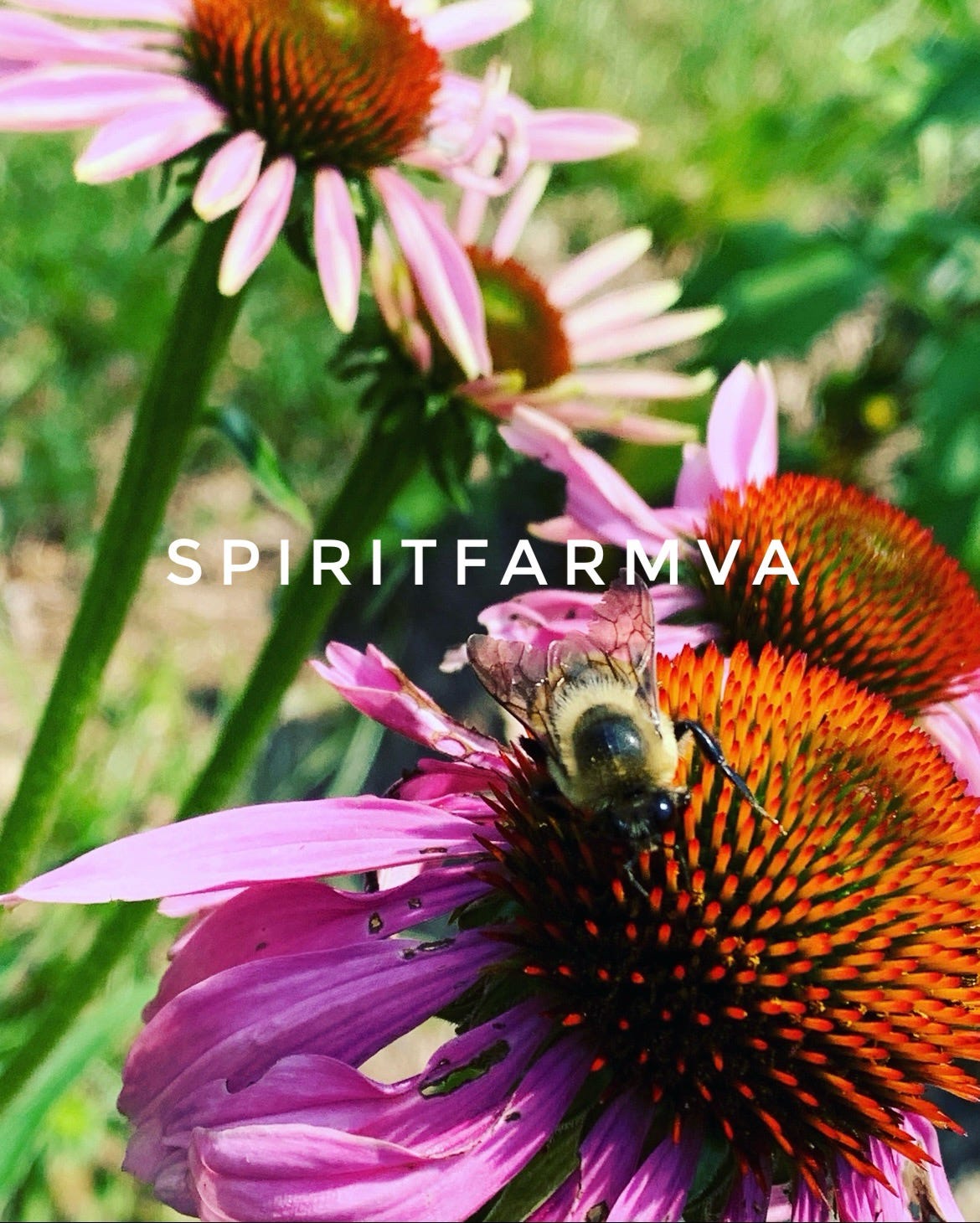
We have chosen to stay chemical-free because, if in the future we pursue organic certification, the use of chemicals could delay the process. It also protects our bee hives, which could be negatively affected by chemical pesticides or herbicides. Our decision to be chemical-free is more about the effects of herbicides and pesticides than about the use of chemical fertilizers. For implementation, we use only organic certified products. As we grow plants without chemicals, we are also evaluating which plants grow most productively with the least input. It’s an ongoing process that isn’t as hard as it sounds; it just requires patience and observation.
For fertilizer, there are plenty of organic options. We use compost, fish emulsion, and composted chicken manure. We do some foliar feeding with chelated organic nutrients from Advancing Eco Agriculture. For disease, we use organic liquid sulphur and copper sprays. We also do a lot of “let nature take its course” to see what works with the least inputs.
The direction we would steer people towards right now is JADAM, Korean Natural Farming, Nigel Palmer, John Jeavens, and Alan Chadwick. That said, any natural farming framework works as a “complete system” and takes time. If you do not implement it fully, you won’t get the results. You also need to give it time to work. In natural farming, I would say the things that stand out as hype are those claiming to be magic bullets— just do this or just do that. Natural farming works with synergistic effects, not singular inputs. Big keys: 1) get your soil loosened so it can have good gas exchange, 2) good soil protection such as mulch, 3) add or encourage soil life, and 4) water properly. Water stress seems to have the greatest negative impact on what we grow so far, disease and insect pressure seem to show up most and most often after water stress.
Healthy soil grows healthy plants, and healthy plants grow healthy soil. You need to work on both at the same time though, not one or the other— that produces the best results. We certainly have not mastered any of this and are learning every season. We have stayed natural with the goal of figuring out what works best.
How do you handle the shorter growing season for figs in your area while being chemical-free?
The high tunnels help us wake up our plants earlier and that is a big help. Making sure the plants have access to nutrients when they wake up is helpful. Using liquid organic or natural fertilizers can help them have access to those nutrients sooner. We also start watering in the high tunnels to encourage growth once we feel hard frosts will not be an issue. Even under a high tunnel, temperatures under 28-30°F can cause damage to new tender growth. After the figs get going well, we back off with water over the season.
Figs tend to grow more vegetatively in our clay-leaning soil. We grow tons of plant mass in a season, but getting them to be more fruitful is our biggest challenge that we are still working on. We’ve tried things such as reducing water over the season, using lower nitrogen fertilizer, plant architecture, and even root pruning. So far though, variety selection may be the best (least effort) way to produce fig crops consistently. Some varieties just want to fruit, others take more proactive management. That is an ongoing process and hopefully, we can have a better list of those varieties within the next few seasons.
What do you think about growing figs, any tips?
Our top tips for figs are:
Do not over water your cuttings, don’t be discouraged when you do kill cuttings (We have lost thousands over the years at this point).
Don’t baby your cuttings, overloving them tends to be more problematic than neglect (This applies to lignified cuttings not green cuttings).
Let your trees get drier as the season ends and you go into dormancy, it helps with preventing winter damage.
Give a tree a few years before you judge the quality of the fig.
The #1 thing we get joy from is sharing figs, trees, and cuttings with others, and dragging them down the Rabbit hole with us...
They are beautiful, fascinating plants, and so many lovely leaf patterns. But when you bite into a perfectly ripe top tier fig, you cannot beat that experience. Plus to top it off, there are so many flavor combinations.
Getting a consistent harvest is our biggest struggle — splitting due to the rainy, humid climate, insect damage to crops, and stimulating the trees to fruit early enough to ripen before the weather changes.
We are certainly lovers of quality food, and it is very satisfying to eat things you took the time and care to grow yourself — it just tastes better. We both grew up in families where parents or grandparents gardened, so gardening has always been a part of our lives, nothing much has changed there. Now, living on some acreage though, we can grow more extensively. Being connected to the land is our peaceful place now, that was the change for us. We enjoy traveling and seeing new places, but we are not gone long before we are ready to return to our farm and home.
The more fruits and vegetables you grow yourself gives you greater appreciation for farmers. As we farm more, we realize how undervalued this industry is as a whole. We also spend more time learning, talking about plants and gardening than we did before. It certainly takes up a higher percentage of our time and brain space than before.


So far, our favorite fig varieties include White Algiers, Castel Trosino, Saleeb (a surprisingly good & productive male fig), Paradiso, Zaffiro, and LSU Strawberry. We have an unknown variety called Sicily that is excellent, and Longue D’Aout and LSU O’Rourke are also favorites.
Verdal Longue tends to split easily, so here it doesn't work well here, but it's not a bad fig. We are going to reduce redundancy among our varieties. There are so many Mt. Etnas, that we might cut some out. They aren't bad per se, just the same fig with a different name.
This season, we’re most looking forward to tasting new fig varieties, especially since last year we nearly doubled the number of varieties we have. Fingers crossed for an increase in production. We have a pretty substantial home apple orchard of about 80 trees that should start fruiting this year, so that is something we are excited about.
Being a farm and plant nursery, we already grow a wide variety of fruits—raspberries, blackberries, apples, blueberries, mulberries, peaches, pears—and vegetables. Last year, we started growing citrus in pots, especially since we have the space in our greenhouse for winter.
As far as figs, I cannot see a time when we wouldn’t grow them. We do debate reducing the number of varieties after a few more years of trialing and selecting the ones we like best that consistently produce in our area.


Makes sense! I wonder which ones will win the debate? 😃 Thank you for a great interview, it is most appreciated. Where can people find you at?
Here are our SpiritFarmVA social media links if you would like to connect:


No truer words than that the fruits you grow yourself taste better than anything else! Even with decadal, cold winter storms and shorter seasons, figs can be enjoyed while using natural growing methods— how fantastic is that? I hope you all enjoyed this interview and the beautiful fig pics, see you next time!