


I’m so excited to share with you guys this interview with Kim Tien. She is our first interviewee from the PNW. There are a lot of fig growers in that region and they each have their own unique climate situation which can really vary from one area to the next. How do they deal with overcast days and rainy weather? I myself really looked forward to hear what she had to say and know you will as well. Everyone, here’s Kim —
(But first, here’s the musical vibe Kim wished to share with you all. Please press play👇)
Location: Seattle, WA Zone 8B
I’m a stay-at-home parent, and I homeschool both of my kids. Most of my days revolve around them: learning together, exploring, and watching how they grow. When I have a little time to myself, I enjoy reading and watching movies.
My biggest passion, though, is growing fruit, especially figs. I’ve been trialing and testing different edible fruits that can grow well here in Washington State. I’m based in Seattle, where the weather is gentler and we get free rainwater nine months of the year! Trees love rainwater. They can tell the difference between natural rain and tap water. I think that’s why I love gardening here. Everything teaches patience. You learn to work with what each season gives you, not against it. In winter, I focus on repotting. In early spring, I prune. During summer, I fertilize, water, and enjoy the harvest. And when fall arrives, I start preparing and planning for the months ahead.
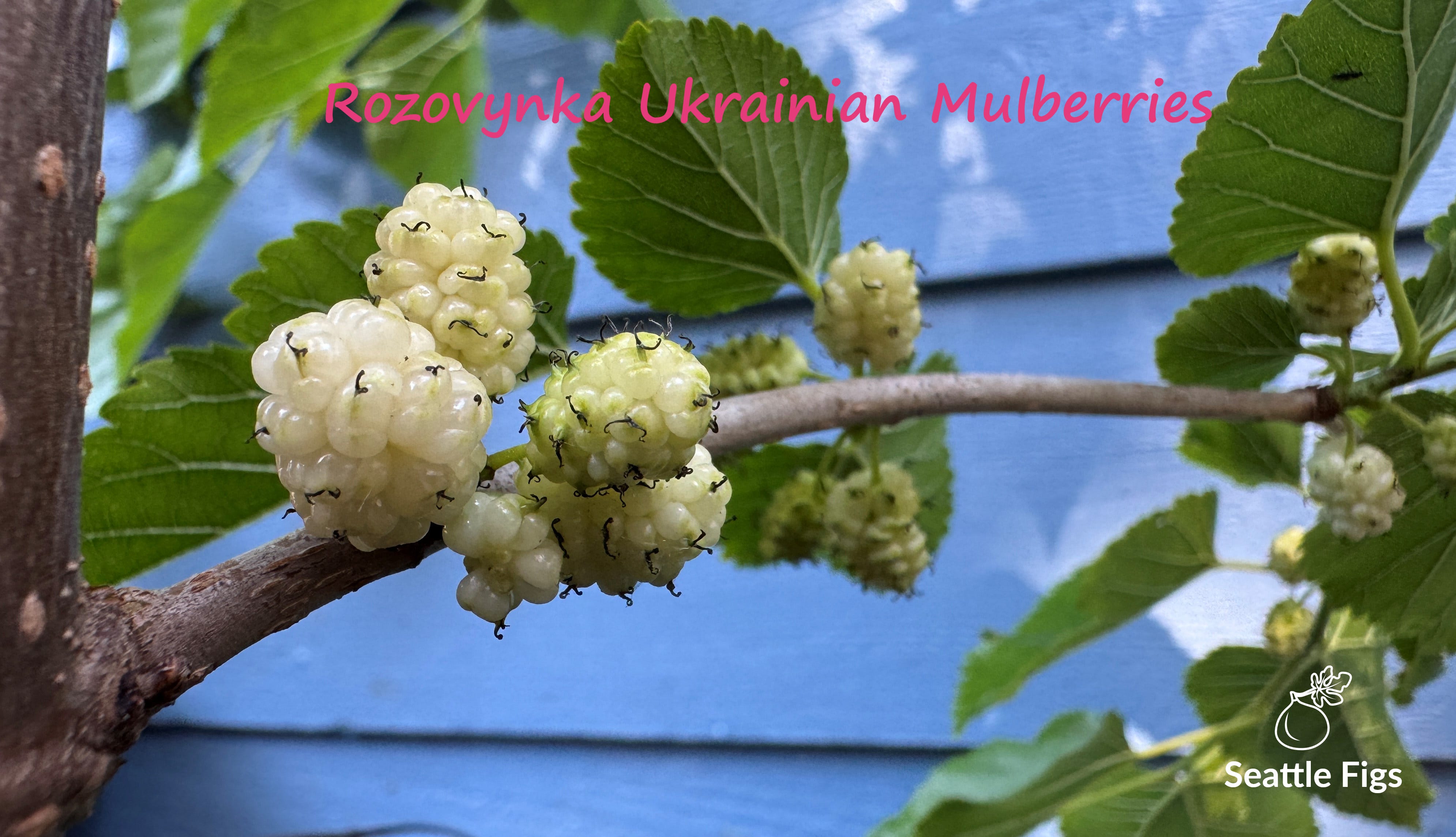
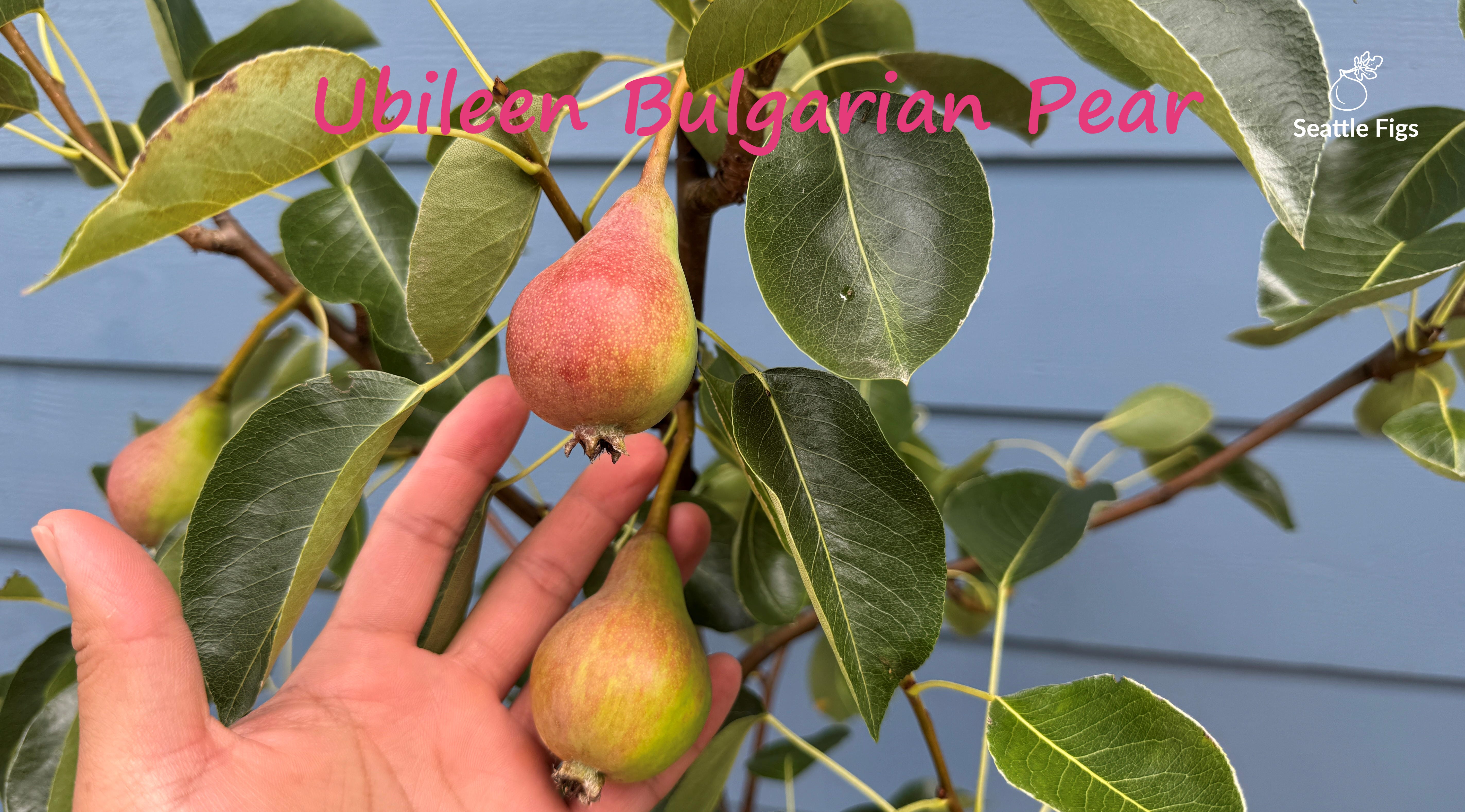
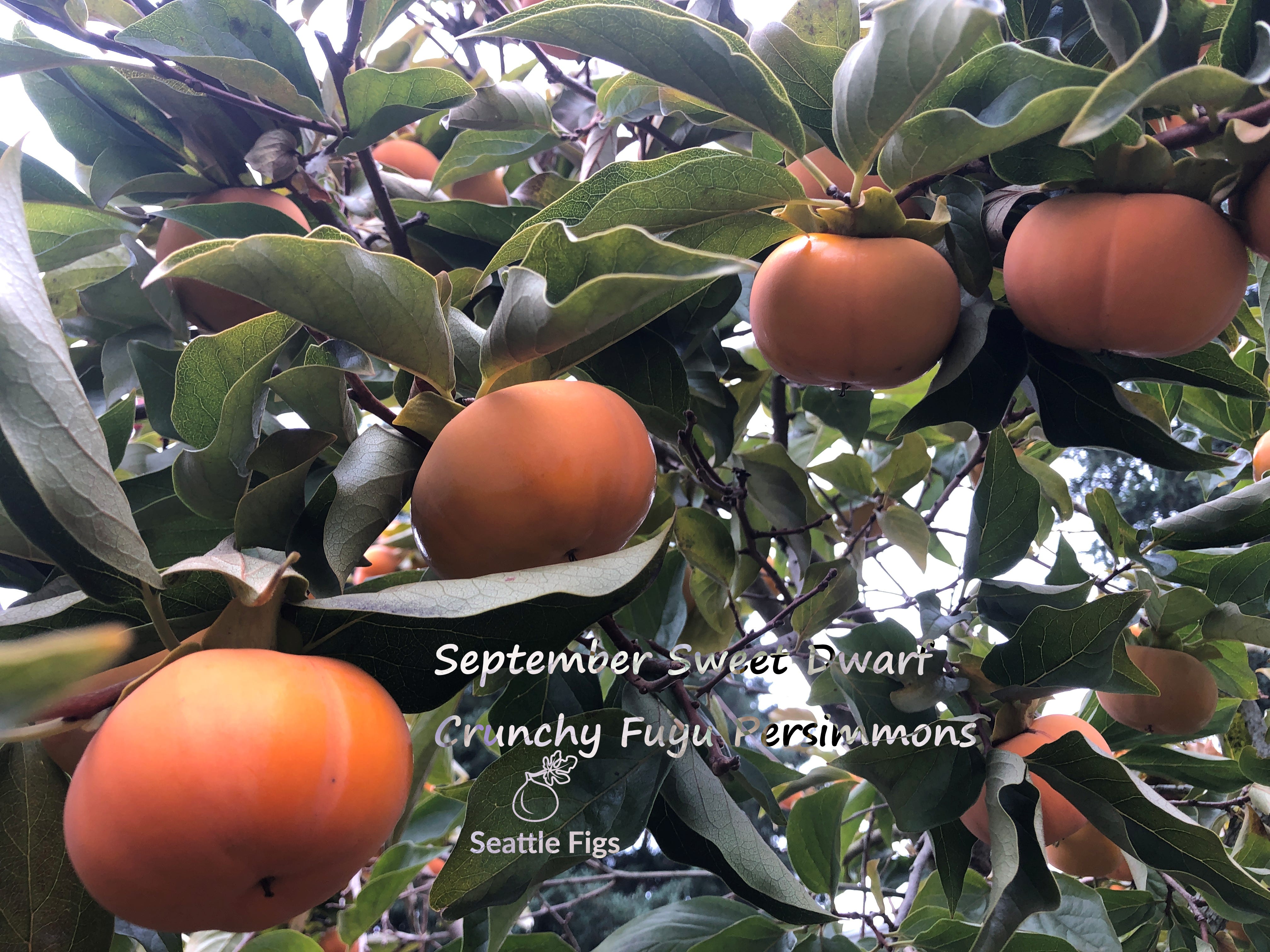
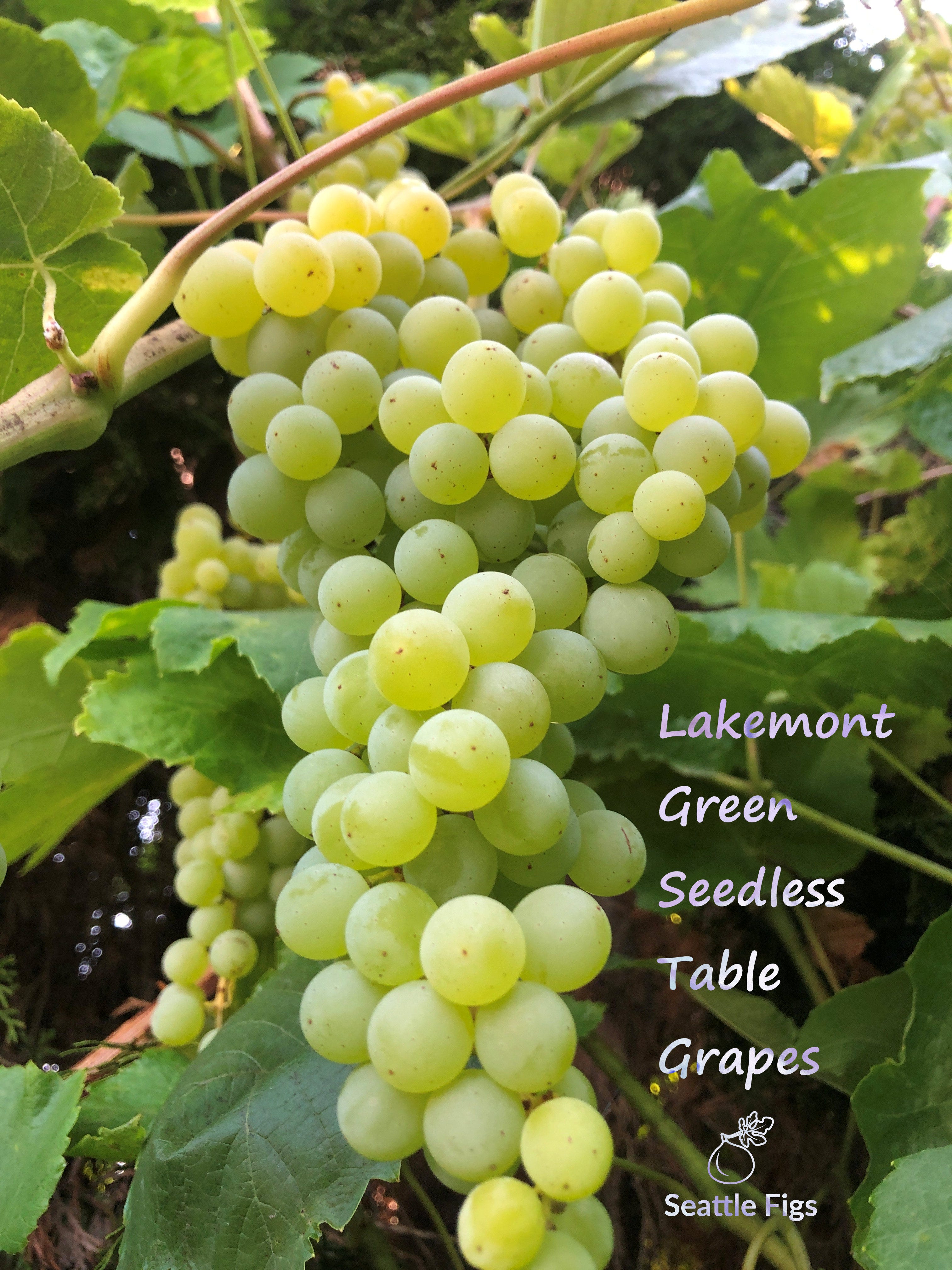
Along with figs, I also grow mulberries, pears, table grapes, Asian persimmons, crabapples, pluerries, strawberries, blueberries, and blackberries. Besides edible fruit gardens, I have a deep appreciation for Japanese gardens and bonsai. I’m drawn to the beauty of simple designs and how they can transform small spaces into places of calm and peace. Each bonsai is like a person, it has its own unique story. Most of them reveal both the strength of endurance and the grace of beauty.
I ate my first fresh fig from my local market, and I was instantly hooked. When I looked up how to grow figs in Washington State, I came across Ben Nguyen’s blog and his YouTube channel and it completely blew my mind. That’s where my whole fig addiction began.
I have several hundred trees now, though to be fair, many of them are duplicates. I’ve lost a lot of trees over the years for different reasons, and keeping backups gives me peace of mind. It helps me stay calm when I lose one.
Right now, most of my figs are grown in pots. My largest one is in a 45-gallon pot, anything bigger than 30 gallons can’t really be moved. I usually repot all of my trees once a year. In the past, when my kids were younger, I fell behind on that, but this past winter I finally repotted every tree, and they responded really well.
For the first time ever, I’m actually ahead of schedule. All my trees have been fertilized on time! I used to have a greenhouse, but I took it down to make more space. I rehomed most of my greenhouse-type fruit trees for now, but I plan to recollect them once I can build a larger and better setup.
At the moment, I don’t have irrigation. I’m still in the process of organizing and deciding which trees to keep, which to rehome, and which need replacing after winter losses. So for now, I hand-water everything. During winter, I leave all of the pots outside, even the more sensitive varieties that technically should be moved, because my main goal right now isn’t fruit production; it’s survival.
Most trees do fine, but some have died due to rodents or ground animals damaging the trunks. We’ve been addressing that and replacing the ones we’ve lost. Last winter was actually my hardest year, I lost more trees than ever before. I’ve kept a list of the ones I want to recollect.
I often sell, trade, or gift away extras, but I somehow end up needing to recollect them again later. I try to keep backups while managing limited space. I use only organic soil and fertilizer, so my trees might not grow as fast as others’, but I’m still experimenting with what works best both in fertilizer type and schedule. Each year teaches me something new. I never seem to run out of something new to learn with gardening!
Growing figs has added the joy of sharing notes and making new friends. There’s something special about connecting with people who understand the same quiet obsession. When you’re at a fig or fruit event, surrounded by others who share that same passion, you don’t feel alone anymore. It feels like finding your people.
The hardest thing has been trialing new varieties. It takes time, labor, and patience and sometimes there’s almost no information available. The only way to know how a variety performs is to try it yourself. Some rare varieties can also be extremely expensive to obtain, so each trial carries both risk and reward.
Growing things has absolutely brought benefits to me. I was already into gardening before COVID hit, but during those two years, it became my refuge. While the world was in chaos, my garden stayed peaceful. It gave me purpose and kept me busy. Gardening has always had a positive impact on my life, and I hope others can find the same kind of calm and happiness in it too.
Any favorite things or tips you would like to share?
My favorite tool is my Felco pruner. The first time I tried pruning with a friend’s Felco, it cut like butter. The price is definitely higher at least double what you’d pay for a regular hardware store pruner but it’s worth every penny. For the best value, though, I’d still recommend Corona pruners. They’re reliable and affordable.
My biggest tip is to connect with locals in your area to share notes about which varieties perform best in your climate. Community makes a big difference. We have an excellent fig community here in WA state. We have a fig & fruit tasting event twice a year: first breba crop in summer and second main crop in fall.
And start with affordable figs. You never want to practice rooting with $10–$20 cuttings. Instead, begin with inexpensive or free ones. Offer to prune a neighbor’s fig tree. They might let you take home the cuttings. That way, everyone benefits, and you learn without worrying about losses.
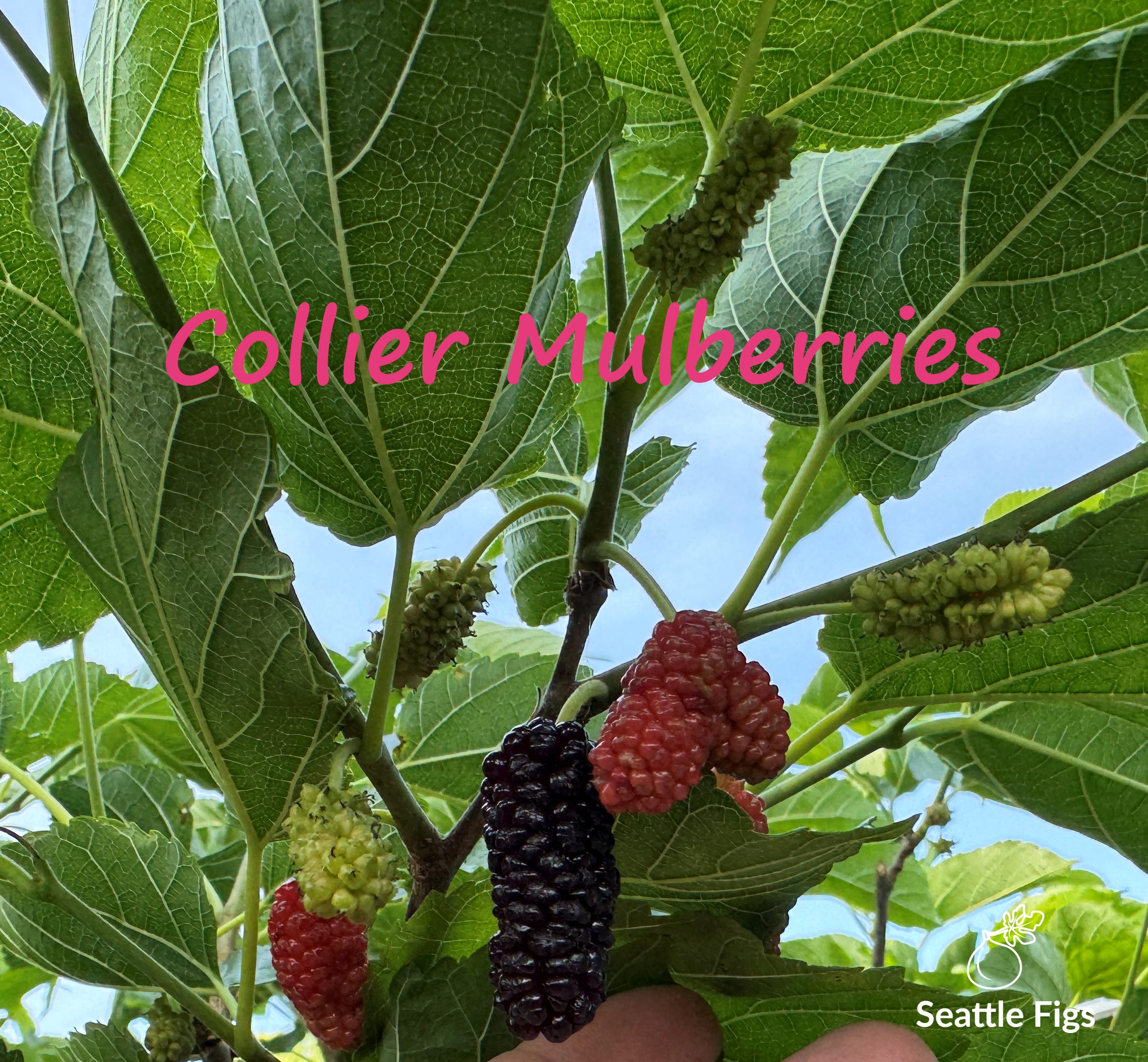
My top fig variety recommendations for my area in WA state are:
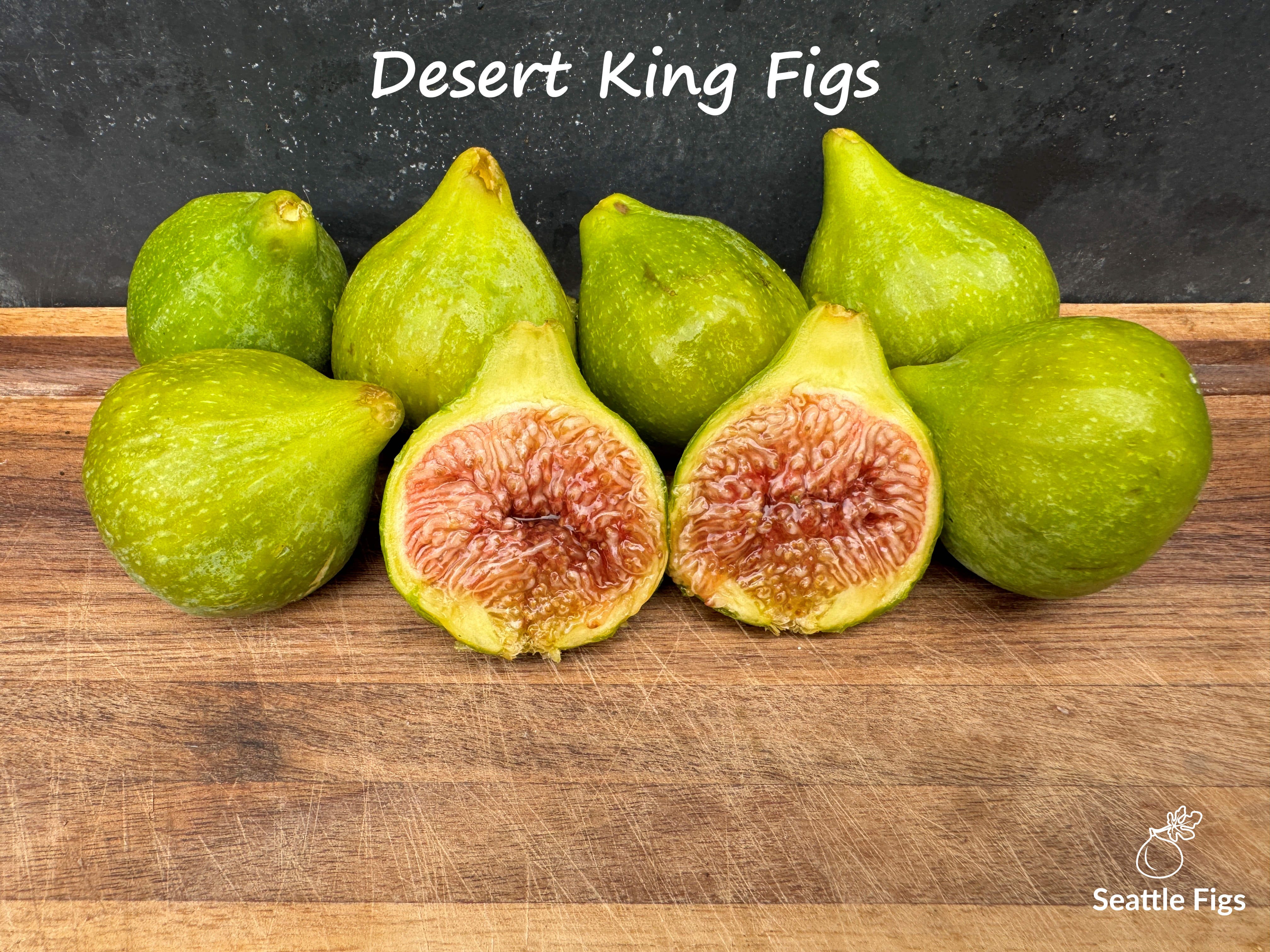
Desert King
Smith
All the LSU Varieties: Hollier, Champagne, Purple
My least favorites are because they are not suitable for my area in-ground:
Brown Turkey
Panache
Others were culled due to similar flavor profiles.
I’m looking forward to trying some new varieties I’ve been waiting on for a while.
The fig bug is definitely here to stay. The only thing that changes is my focus. I’m expanding my collection now, but in time I’ll start narrowing it down to the ones I enjoy most. Eventually, I’d love to reach a point where I’m not testing anymore, just appreciating the collection I’ve built and watching it grow.
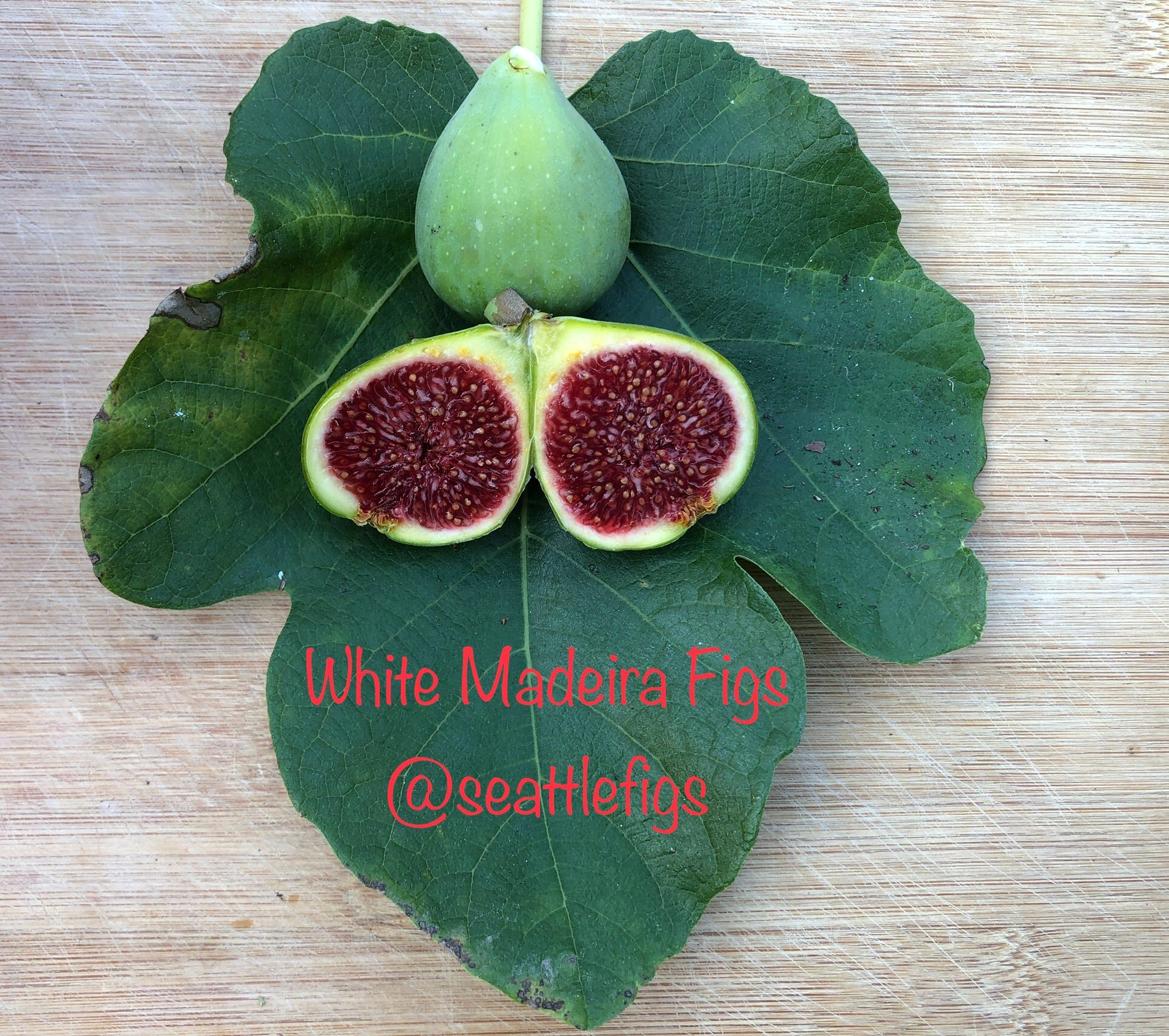
Thank you, Kim, that was awesome. Where can people find you at?
I am seattlefigs on:
If you’re interested in figs or fruit-growing, feel free to add me as a friend on Facebook. I love connecting with others who share the same passion.
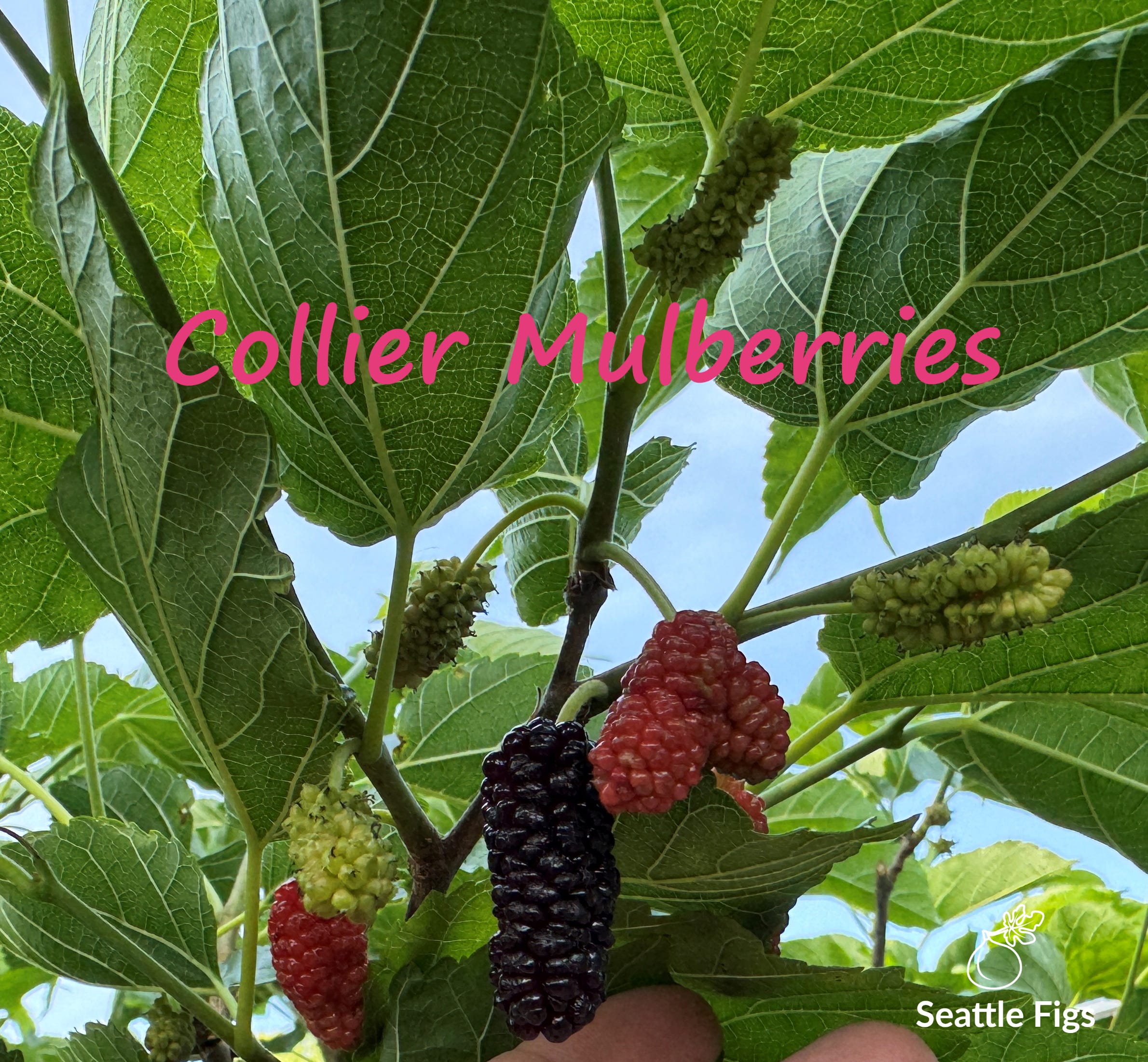
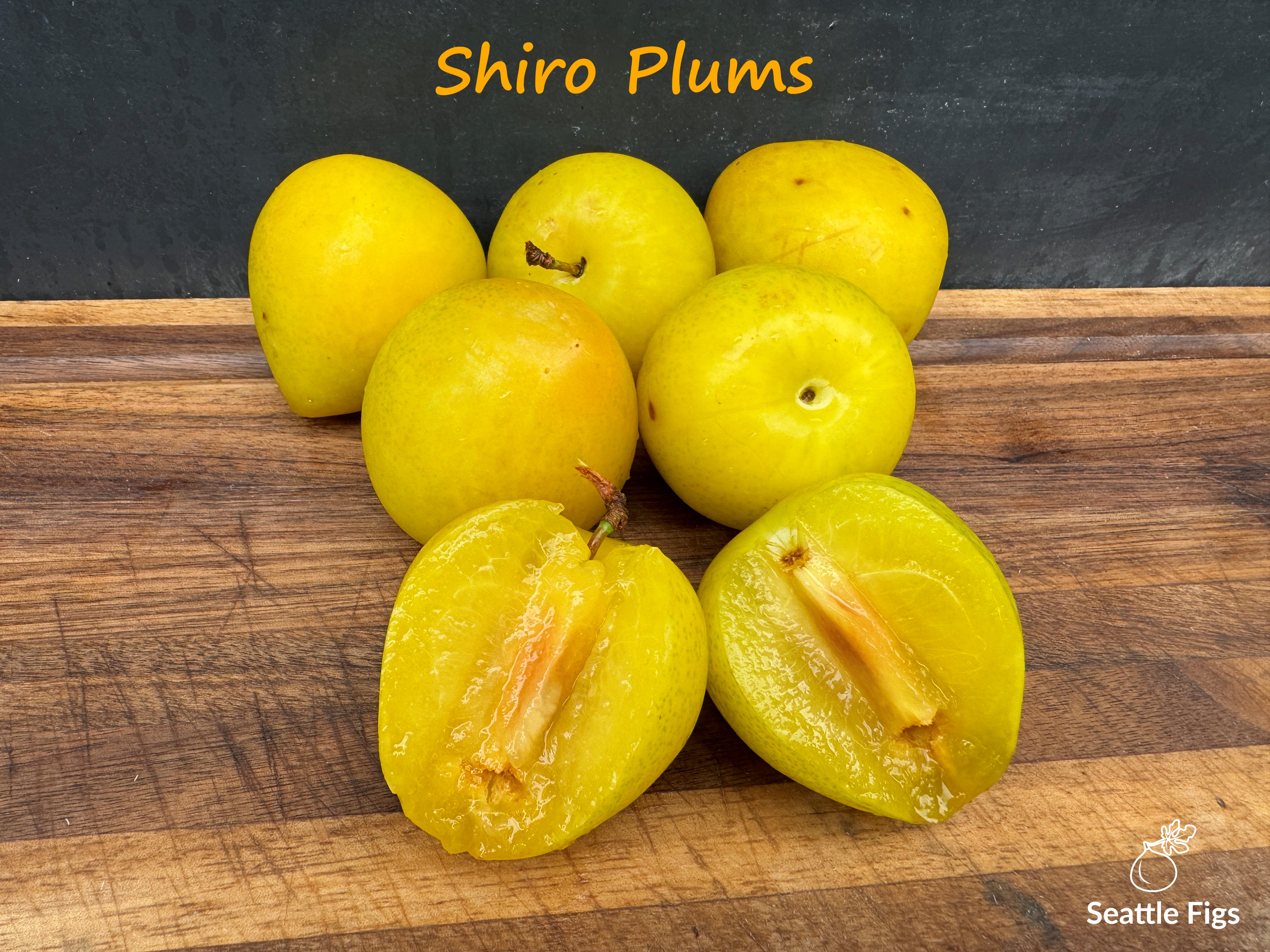
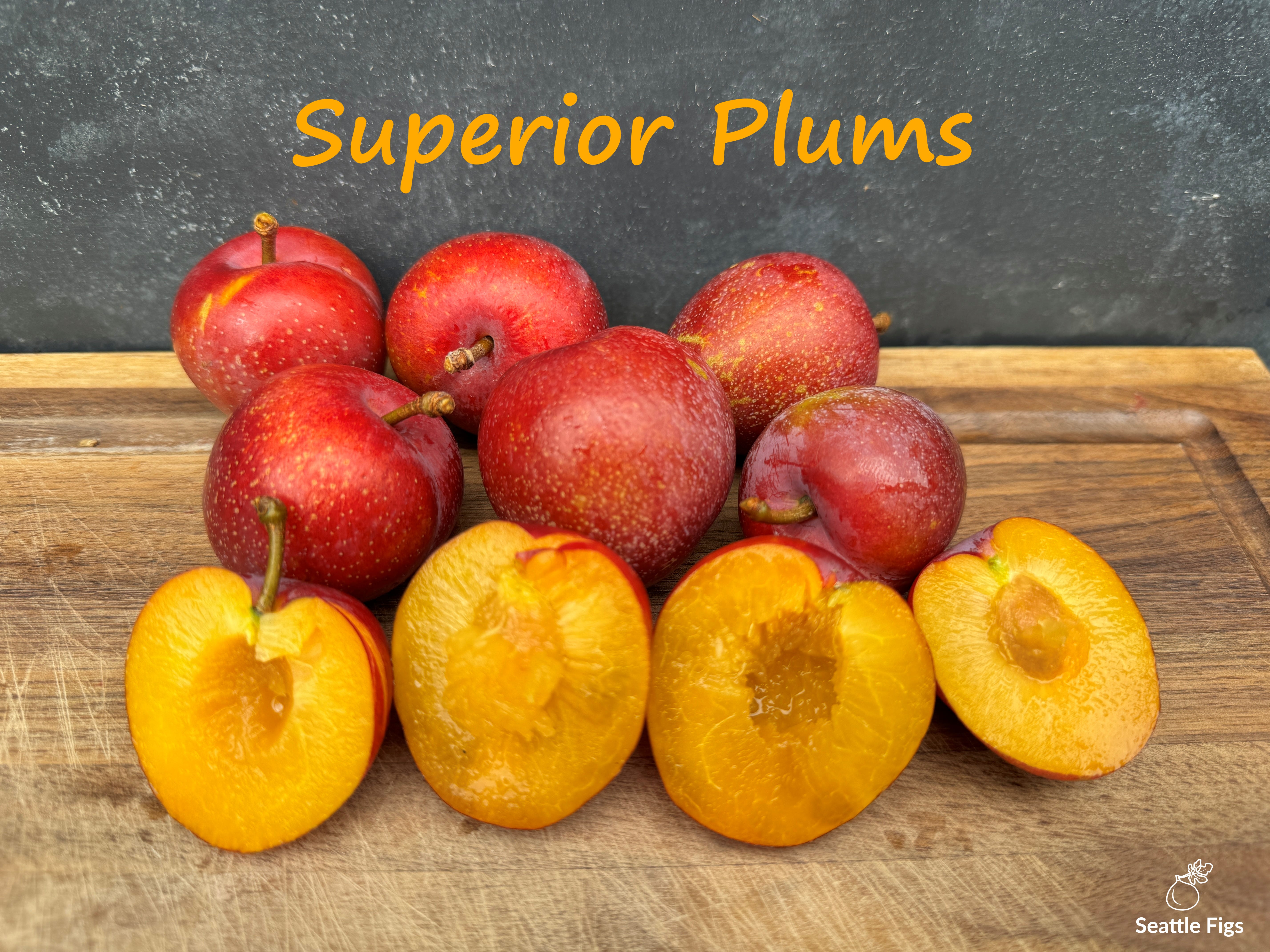
Kim. Okay, first off, all of that fruit is gorgeous! What a lucky family, you guys are eating well. My mouth is literally salivating over those mulberries and plums. Thank you for taking the time to be with us today, I really appreciate it and look forward to seeing what you post on your socials in the future!
Okay, fig readers, another interview down! Who is next?? Only one way to find out… 👀
Thanks for sharing! Keep up the great work! Love this blog!